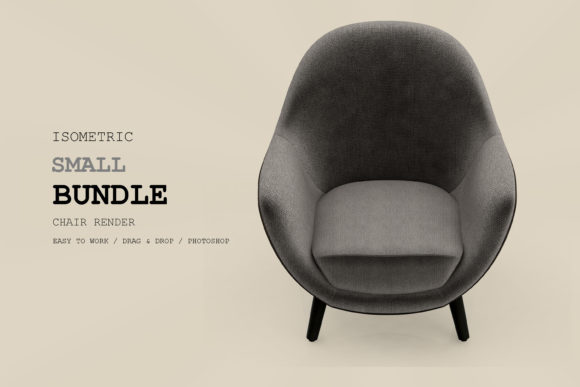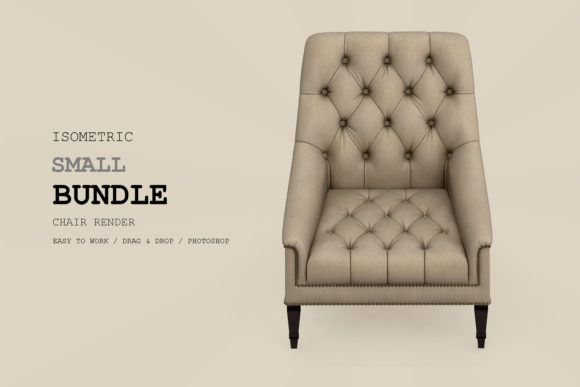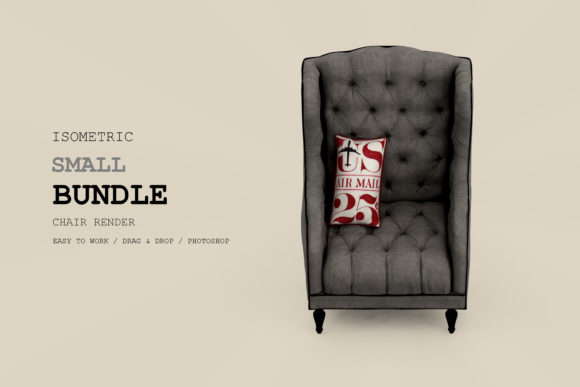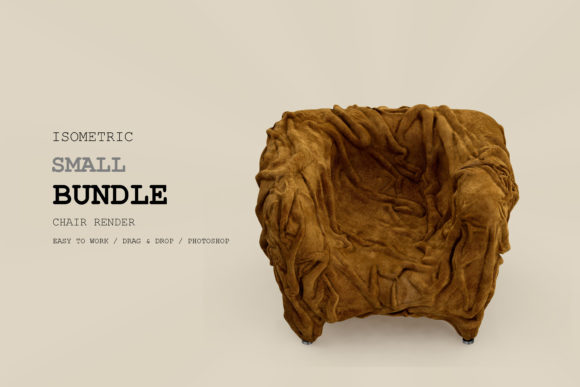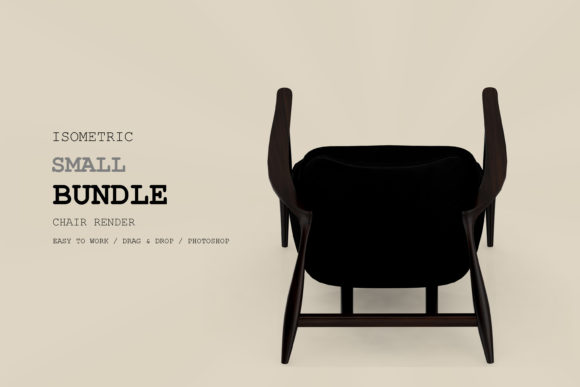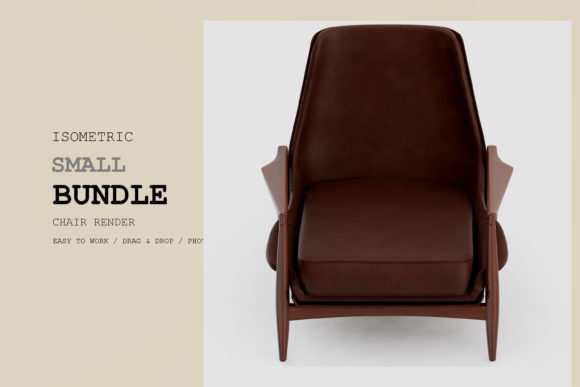
Isometric Armchair 3D Rendering Pac 123
When you are looking for high-quality visual assets to elevate your design projects, finding the right balance between aesthetic appeal and technical usability is crucial. This is where Isometric Armchair 3D Rendering Pac 123 comes into play. It is not just a static image; it is a carefully crafted resource designed for professionals and hobbyists who need precision in their work. Whether you are an interior designer preparing a client presentation, a marketer creating social media ads, or a student working on a school project, having access to organized, high-resolution 3D assets can save hours of manual modeling time.
However, simply downloading a file is not enough. Many creators overlook the technical specifications that determine how usable a 3D asset truly is. Understanding the specific features of Isometric Armchair 3D Rendering Pac 123 helps you avoid common pitfalls related to quality, compatibility, and workflow efficiency. Let’s break down what makes this asset valuable and how to use it effectively without running into frustration.
Understanding the Core Features
The value of any digital asset lies in its details. Isometric Armchair 3D Rendering Pac 123 is built with several key features that cater to professional standards. First, the separated background is a critical element. In many lower-quality packs, the object is merged with the environment, making it difficult to place the armchair onto different backdrops without leaving ugly artifacts. With a separated background, you have the freedom to integrate the chair into any scene seamlessly, whether it’s a minimalist white studio shot or a complex architectural visualization.
Another vital feature is the high resolution combined with a DPI of 300. DPI (Dots Per Inch) is often misunderstood by beginners. A standard screen display might only require 72 DPI, but if you plan to print brochures, business cards, or posters, 300 DPI is the industry standard for sharpness. Using a low-DPI asset for print results in blurry, pixelated images that undermine the professionalism of your brand. Isometric Armchair 3D Rendering Pac 123 ensures that your visuals remain crisp regardless of the output medium.
The Importance of Organized Layers and Shadows
Perhaps the most overlooked aspect of 3D rendering packs is layer organization. If you are using software like Photoshop, Illustrator, or 3D modeling tools, working with a flat, unorganized file can be a nightmare. You might find yourself spending hours trying to isolate parts of the armchair to change colors or adjust lighting. Isometric Armchair 3D Rendering Pac 123 solves this with organized layers. This structure allows you to tweak specific components—such as the fabric texture, the wooden legs, or the cushions—independently. It gives you control over the final look without needing to re-render the entire model from scratch.
Similarly, the inclusion of a separated shadow is a game-changer for realism. Shadows anchor objects to the ground, providing depth and context. When the shadow is separated, you can adjust its opacity, blur, and position to match the lighting conditions of your specific project. This attention to detail prevents the "floating" effect that plagues poorly integrated designs, ensuring that the armchair looks like it naturally belongs in the space you’ve created.
Common Mistakes to Avoid
Even with a high-quality asset like Isometric Armchair 3D Rendering Pac 123, users can make errors that degrade the final result. One common mistake is ignoring the help file that accompanies the download. These files often contain instructions on color profiles, recommended software versions, and tips for optimal rendering settings. Skipping this documentation can lead to color mismatches or compatibility issues, especially if you are working across different operating systems or software updates.
Another frequent error is assuming that one size fits all. While the isometric perspective is versatile, it may not suit every type of project. For instance, if you are designing a highly realistic architectural walkthrough that requires a first-person view, an isometric asset might feel out of place. Always evaluate whether the isometric style aligns with the narrative of your project before committing to its use. Additionally, some users fail to check the licensing terms. Ensure that you understand the usage rights, particularly if you are using the asset for commercial purposes such as advertisements or product packaging.
Versatile Applications Across Industries
The beauty of Isometric Armchair 3D Rendering Pac 123 is its adaptability. Because of its clean lines and professional finish, it can be utilized in a wide array of contexts. Here are some practical ways to apply this asset:
- School Projects: Students in graphic design, architecture, or marketing courses can use this asset to demonstrate understanding of spatial relationships and color theory without spending weeks modeling a chair from scratch.
- Social Network Content: For influencers and brands, consistent, high-quality visuals are key. The separated background allows for easy integration into Instagram stories or Pinterest boards, maintaining a cohesive aesthetic.
- Print Projects: Thanks to the 300 DPI resolution, this asset is perfect for flyers, catalogs, and magazines. The organized layers allow for quick adjustments to fit different layout constraints.
- Architecture Design: Architects can use isometric views to present furniture layouts to clients who may struggle with traditional floor plans. It provides a clear, intuitive understanding of scale and placement.
- Blog and Website Design: Web designers can incorporate these graphics to break up text-heavy pages and add visual interest. The high resolution ensures they look good on retina displays.
- Advertisement: Marketers can create eye-catching ads for e-commerce platforms. The ability to separate shadows and backgrounds means the product can stand out against any promotional backdrop.
Best Practices for Implementation
To get the most out of Isometric Armchair 3D Rendering Pac 123, start by reviewing the help file thoroughly. Familiarize yourself with the layer structure so you know exactly which elements you can modify. When placing the armchair in your design, pay close attention to lighting consistency. If your background has a strong light source coming from the left, adjust the separated shadow accordingly to maintain realism.
Furthermore, always keep backups of your original files. Working with organized layers is convenient, but accidental deletions or unwanted edits can happen. By saving versions at different stages, you protect your work and maintain flexibility. Finally, consider the audience. If you are targeting a modern, tech-savvy demographic, the clean, geometric nature of isometric art resonates well. For more traditional audiences, ensure the textures and colors of the armchair feel warm and inviting rather than sterile.
In conclusion, Isometric Armchair 3D Rendering Pac 123 is more than just a picture of a chair; it is a comprehensive tool designed to streamline your creative process. By understanding its features, avoiding common technical mistakes, and applying it strategically across various platforms, you can produce professional-grade designs that communicate your message effectively. Take the time to explore its capabilities, respect the technical requirements, and you will find it to be an invaluable addition to your design toolkit.