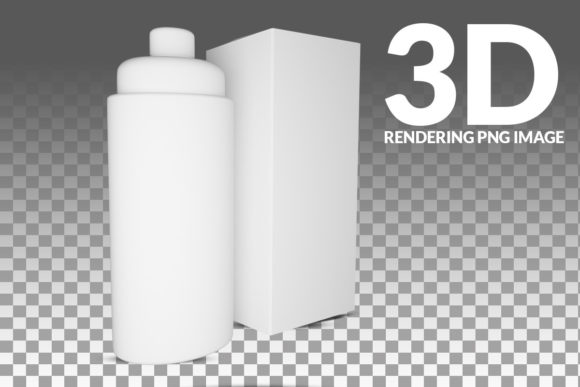
3d Rendering Bottle Model for Mockup
Designing a product label or packaging concept is often the most exciting part of bringing a new beverage, cosmetic, or household item to market. However, that excitement frequently hits a wall when it comes to visualization. You have the logo, the color palette, and the typography, but seeing how they look on a curved, transparent, or opaque surface in real lighting conditions is notoriously difficult without expensive photography setups or complex 3D modeling skills. This is where a 3d Rendering Bottle Model for Mockup becomes an indispensable asset in your design workflow.
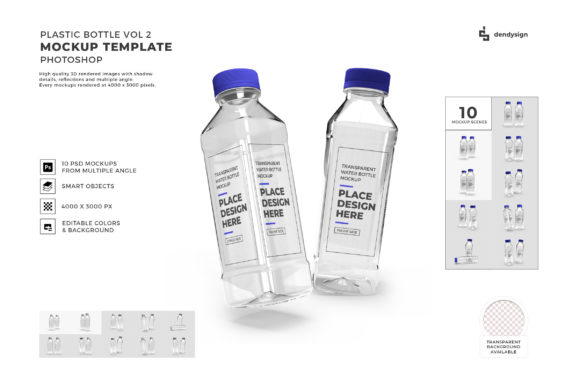
These templates are not just static images; they are sophisticated digital tools designed to bridge the gap between flat graphic design and realistic product presentation. By utilizing organic bottle 3d model graphic templates rendered in Photoshop format, you can simulate how your branding interacts with light, shadow, and material texture before committing to physical production. Whether you are a freelance designer pitching to a client or a small business owner launching your own line of organic soaps, having access to high-quality, editable mockups saves time, reduces costs, and elevates the perceived value of your work.
Why Realistic Visualization Matters in Modern Design
In today’s digital-first marketplace, first impressions are almost entirely visual. When a customer scrolls through an e-commerce site or views a social media ad, they do not have the luxury of holding the product in their hands. They rely on images to judge quality, authenticity, and appeal. A flat image of a label rarely conveys the tactile experience of the packaging. It looks two-dimensional and often amateurish compared to competitors who showcase their products in three-dimensional space.
A 3d Rendering Bottle Model for Mockup solves this by providing depth and realism. It allows you to place your 2D artwork onto a 3D object that reacts to light just like a real plastic, glass, or recycled material bottle would. This level of detail helps potential buyers visualize the actual product, which can significantly increase conversion rates. For marketers and entrepreneurs, this means your investment in branding pays off immediately because the presentation matches the promise of the product.
Practical Applications Across Different Industries
The versatility of these mockup templates extends far beyond simple product listing photos. Because they are built on organized layers within Photoshop, they can be adapted to a wide variety of scenarios. Here is how different professionals utilize these resources in their daily workflows:
- E-commerce Product Listings: Online retailers need multiple angles of their products to reduce return rates and answer customer questions visually. Using a 3d Rendering Bottle Model for Mockup, sellers can generate front, side, and back views instantly. This is particularly useful for brands that offer variations in scent, size, or flavor, as you can swap out the label design without reshooting the entire set.
- Social Media Marketing Campaigns: Content creators and influencers require eye-catching visuals that stand out in crowded feeds. Organic bottle models lend themselves well to lifestyle shots. You can composite the bottle into a bathroom counter, a gym bag, or a kitchen shelf using the transparent background feature. This contextualizes the product, helping audiences imagine using it in their own lives.
- Client Presentations and Pitches: Graphic designers often struggle to communicate their vision to clients who may not understand abstract concepts. Showing a finalized, photorealistic rendering of the bottle with the proposed label provides clarity and confidence. It demonstrates professionalism and attention to detail, making it easier to secure approvals and close deals.
- Internal Prototyping and Iteration: For startup founders and product developers, testing different label designs traditionally requires printing physical prototypes, which is slow and expensive. With editable PSD files, you can experiment with dozens of color schemes and layouts in minutes. This rapid iteration cycle allows teams to refine their aesthetic based on internal feedback before investing in manufacturing.
Understanding the Technical Benefits
Not all mockups are created equal. The quality of the underlying 3D model and the structure of the Photoshop file determine how easy and effective the template will be to use. When you download a premium 3d Rendering Bottle Model for Mockup, you should expect specific technical features that streamline your design process.
High Resolution PSD File is a critical requirement. Low-resolution images pixelate when you try to zoom in or print them for large-format displays. High-resolution assets ensure that every curve, reflection, and texture remains crisp, whether you are viewing it on a mobile screen or preparing it for a trade show banner. This resolution also gives you the freedom to crop and reframe your composition without losing quality.
Easy to Edit functionality is what separates a good template from a great one. The best mockups use Smart Objects in Photoshop. This means you simply double-click the placeholder layer, paste your label design, save, and watch it wrap around the bottle automatically. There is no need to manually distort or mask your artwork. This feature drastically reduces the learning curve, allowing even beginners to achieve professional results quickly.
Organized Layers provide control over every aspect of the scene. Instead of a flattened image, you get separate layers for shadows, highlights, reflections, and the bottle base. This allows you to adjust the lighting environment to match your brand’s mood. If you want a warm, inviting glow for a natural skincare line, you can tweak the shadow intensity and color temperature independently of the label itself. This granular control ensures the final image aligns perfectly with your marketing strategy.
Transparent Background Available offers flexibility in composition. While many mockups come with pre-set backgrounds, having the option to remove the background entirely lets you integrate the bottle into custom scenes. You might want to place the bottle against a solid pastel color for a minimalist look, or overlay it onto a photograph of a beach or forest to emphasize its eco-friendly origins. The transparency feature ensures clean edges and seamless blending with any backdrop you choose.
Considerations Before Applying the Template
While these tools are powerful, there are practical considerations to keep in mind to get the best outcome. First, always check the dimensions of your source artwork. If your label design is too low resolution, it will look blurry when mapped onto the high-res bottle model. Ensure your initial design files are vector-based or at least 300 DPI to maintain sharpness.
Secondly, pay attention to the perspective and curvature of the bottle model. Not all bottles are cylindrical; some have unique ergonomic shapes or irregular curves. Make sure the template you choose closely matches the shape of the actual physical bottle you intend to produce. Significant discrepancies between the mockup and the final product can lead to misaligned labels or awkward folding lines that become apparent in reality.
Finally, consider the lighting consistency. Even with advanced smart objects, the lighting in the mockup is fixed unless you have advanced Photoshop skills to adjust the lighting layers. If your brand uses very specific lighting cues in other marketing materials, try to find a mockup that mimics those conditions. Consistency across your visual assets builds stronger brand recognition.
Conclusion
Investing in a high-quality 3d Rendering Bottle Model for Mockup is more than just buying a template; it is upgrading your design infrastructure. It empowers creators, entrepreneurs, and marketers to present their ideas with clarity and professionalism. By leveraging organic bottle 3d model graphic templates, you can visualize, test, and showcase your products effectively, saving time and resources while enhancing the overall appeal of your brand. In a competitive digital landscape, the ability to present a polished, realistic product image can be the difference between a scroll-past and a sale.