Interior Design for Modern Spaces
Walking into a room that feels "off" is an experience most people recognize, even if they cannot articulate why. The lighting might be too harsh, the furniture arrangement creates unnecessary friction in movement, or the color palette feels disjointed from the architecture. Interior Design is not merely about selecting decorative accents or following fleeting trends; it is the disciplined practice of shaping environments to support human activity, well-being, and aesthetic coherence. Whether you are a homeowner looking to refresh your living space, a business owner aiming to enhance client perception, or a developer managing a large-scale build, understanding the mechanics of interior design provides a significant advantage.
The field has evolved far beyond simple decoration. Today, it intersects with psychology, ergonomics, sustainability, and technology. When approached correctly, interior design solves complex problems related to spatial efficiency, brand identity, and functional flow. It transforms abstract ideas into tangible realities that serve specific goals. For professionals in marketing, real estate, hospitality, and corporate management, the ability to visualize and execute these spaces effectively can mean the difference between a stagnant environment and one that drives engagement, productivity, and revenue.
From Concept to Reality: The Role of 2D and 3D Animation
One of the most significant barriers to effective interior design is the gap between imagination and execution. Clients often struggle to interpret technical blueprints or mood boards, leading to miscommunication and costly changes during the construction phase. This is where advanced visualization tools become indispensable. By integrating 2D_3D_Animation into the workflow, designers and clients can explore a space before a single wall is built.
Three-dimensional animations provide a dynamic walkthrough of the proposed design, allowing stakeholders to experience scale, lighting, and material textures in real-time. This level of clarity reduces uncertainty. For example, a restaurant owner can see how natural light floods the dining area at different times of day, or a homeowner can verify that the kitchen island does not obstruct the pathway to the pantry. These visual aids simplify decisions by making abstract concepts concrete, ensuring that everyone involved shares the same vision. This proactive approach minimizes rework, saves time, and aligns expectations early in the project lifecycle.
Tailoring Spaces for Specific Needs
Not all spaces require the same design strategy. The requirements for a cozy residential apartment differ vastly from those of a high-traffic commercial office or a luxury hotel lobby. Effective interior design recognizes these distinctions and applies specialized solutions to each context.
Residential Environments: Home_Interior and Apartment_Remodeling
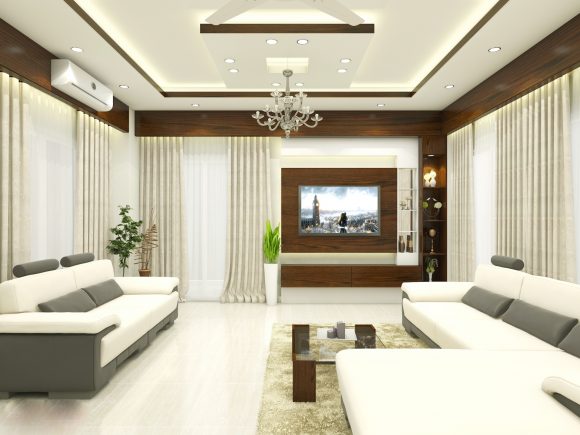
In the realm of Home_Interior design, the primary focus is on comfort, functionality, and personal expression. However, this goes beyond picking paint colors. It involves optimizing layouts to maximize square footage, especially in urban apartments where space is at a premium. Apartment_Remodeling projects often involve structural changes, such as removing non-load-bearing walls to create open-concept living areas or reconfiguring bathrooms for better accessibility. A skilled designer ensures that these modifications enhance the home’s value while respecting the building’s architectural integrity. The goal is to create a sanctuary that reflects the occupant’s lifestyle, whether that means a dedicated workspace for remote professionals or a flexible entertainment zone for families.
Commercial and Office Interiors
For businesses, the physical environment directly impacts employee morale and client perception. Office_Interior design must balance collaboration and privacy. Open-plan layouts encourage teamwork but can lead to distractions, while private offices may stifle communication. The solution lies in hybrid designs that offer varied zones for different tasks. Furthermore, branding plays a crucial role. The interior should visually communicate the company’s values and culture. For entrepreneurs and small business owners, investing in a well-designed office can attract top talent and impress potential partners, serving as a silent ambassador for the brand.
Hospitality and Retail: Hotel_Restaurant_Interior_Exterior_Remodeling
In the hospitality sector, every detail contributes to the guest experience. Hotel_Restaurant_Interior_Exterior_Remodeling requires a holistic approach that considers both the internal ambiance and the external curb appeal. Lighting, acoustics, and seating arrangements are carefully curated to influence how long guests stay and what they spend. An exterior remodel can revitalize a property’s image, drawing in new customers. For restaurant owners, the layout affects service efficiency; a poorly designed kitchen-to-dining-room flow can bottleneck operations during peak hours. Interior design here is a strategic tool for operational excellence and customer satisfaction.
Technical Precision and Structural Integrity
A beautiful design is only viable if it is structurally sound and practically executable. This is where Construction knowledge and Architectural_Plan expertise come into play. Many DIY enthusiasts attempt renovations without fully understanding the implications of structural changes, leading to safety hazards or code violations. Professional interior designers work closely with architects and contractors to ensure that plans are feasible.
Architectural_Plan development involves more than just aesthetics; it includes precise measurements, electrical planning, plumbing routing, and compliance with local building codes. When a designer understands the construction process, they can anticipate challenges and propose innovative solutions that adhere to budget and timeline constraints. For instance, knowing the limitations of existing load-bearing walls can inspire creative use of partitions or vertical storage, turning a constraint into a design feature.
Specialized Zones: Exclusive_Kitchen_Bathroom_Design
Kitchens and bathrooms are among the most complex rooms in any building due to the integration of utilities, cabinetry, and appliances. Exclusive_Kitchen_Bathroom_Design demands meticulous attention to detail. In the kitchen, the "work triangle" (the relationship between the sink, stove, and refrigerator) dictates efficiency. A good design ensures smooth movement between these points while providing ample counter space and storage. In bathrooms, waterproofing, ventilation, and accessibility are critical. As homes age, remodeling these spaces often yields the highest return on investment, improving both functionality and market value. Designers who specialize in these areas understand the latest materials and technologies, such as smart mirrors or water-saving fixtures, offering practical upgrades that enhance daily life.
Navigating Commercial Projects
Commercial_Projects often involve larger scales and stricter deadlines. Whether it is fitting out a retail store, a corporate headquarters, or a medical clinic, the stakes are higher. Mistakes are more expensive, and the impact on business continuity is significant. Professional interior design firms manage these complexities by coordinating multiple vendors, adhering to regulatory standards, and maintaining rigorous quality control. They also consider longevity; commercial interiors must withstand heavy foot traffic and frequent updates. Choosing durable materials and timeless design elements helps protect the investment over time.
Who Benefits Most from Professional Interior Design?
While anyone can benefit from a well-designed space, certain groups find particular value in professional services:
- Real Estate Developers and Agents: Staging and design can significantly increase property appeal and sale prices. Understanding market trends allows them to create spaces that resonate with target buyers.
- Small Business Owners: Limited budgets make efficiency crucial. Designers help maximize ROI by creating functional, branded spaces that operate smoothly.
- Remote Workers and Creators: With the rise of home offices, designing a productive and inspiring workspace is essential for mental health and output quality.
- Property Investors: Renovations that improve layout and aesthetics can boost rental income and asset value. Knowledge of current design trends ensures properties remain competitive.
Considerations and Limitations
It is important to acknowledge that interior design is not a magic bullet. It works best when integrated with other disciplines like architecture, engineering, and landscaping. Additionally, budget constraints can limit material choices and scope. Clients should be realistic about their financial limits and prioritize needs over wants. Communication is key; clear briefs and regular feedback loops prevent misunderstandings. While technology like 3D animation bridges the visualization gap, it cannot replace the tactile experience of materials. Visiting showrooms and reviewing samples remains essential.
Furthermore, not every project requires a full-service design team. Simple cosmetic updates might be handled through online resources or affordable consulting. However, for structural changes, complex spatial planning, or high-stakes commercial ventures, professional expertise is invaluable. Comparing options, reading reviews, and checking portfolios are prudent steps before committing to a designer.
Conclusion
Interior design is a powerful tool for enhancing the quality of our lives and businesses. By combining creativity with technical precision, it transforms spaces into functional, beautiful, and meaningful environments. Whether through detailed Architectural_Plans, immersive 2D_3D_Animation, or specialized Exclusive_Kitchen_Bathroom_Design, the right approach can solve problems, save resources, and achieve ambitious goals. As we continue to spend more time in our built environments, investing in thoughtful design becomes not just a luxury, but a necessity for modern living and working.