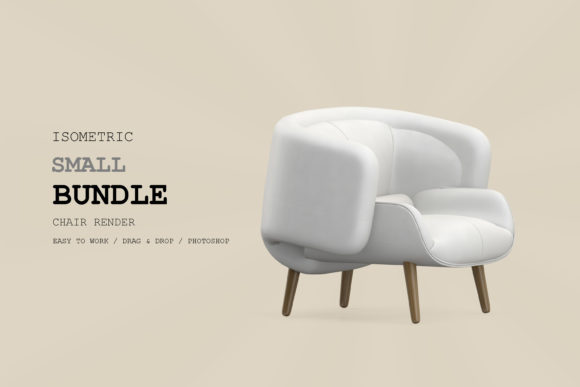
Isometric Armchair Isolated 3D Render: A Versatile Design Asset
In the modern digital landscape, visual communication is no longer just about aesthetics; it is about clarity, efficiency, and adaptability. Whether you are a graphic designer crafting a brand identity, an architect presenting a spatial concept, or a marketer launching a product campaign, the quality of your visual assets directly impacts how your message is received. This is where specialized 3D elements come into play. Specifically, an Isometric Armchair Isolated 3D Render has emerged as a powerful tool for creators who need high-fidelity imagery without the logistical constraints of physical photography.
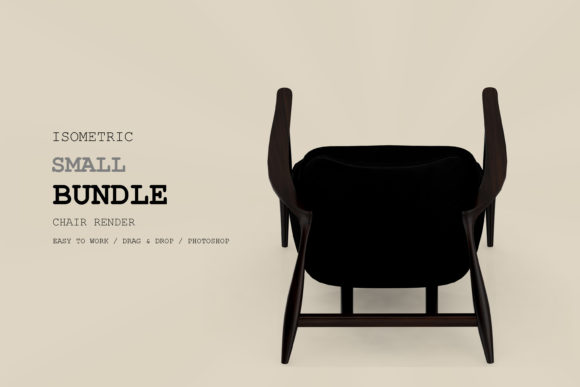
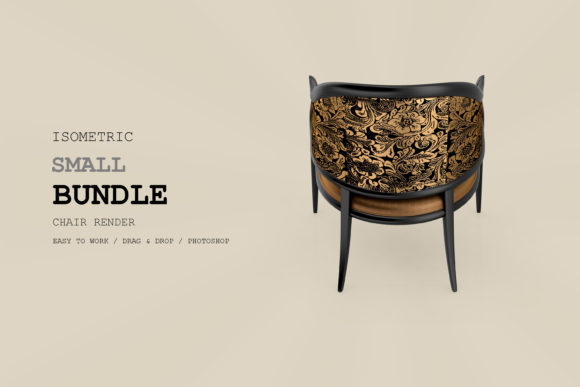
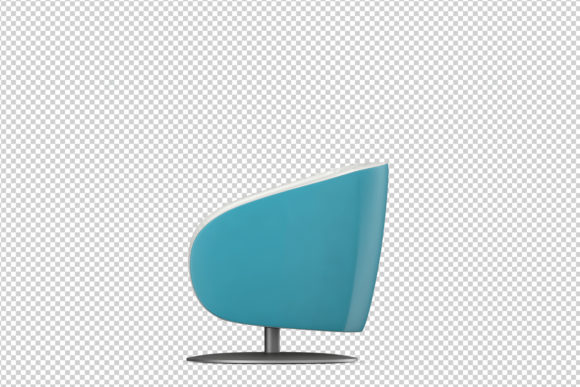
An isolated 3D render refers to a three-dimensional model that has been rendered with a transparent or clean background, removing all environmental distractions. When applied to furniture like an armchair, this technique allows the object to stand alone, making it incredibly easy to integrate into various design compositions. Unlike traditional photographs, which are bound by lighting conditions, camera angles, and physical space, a 3D render offers infinite flexibility. It provides a level of control and precision that is difficult to achieve in real-world settings, making it an invaluable asset for professionals across multiple industries.
Understanding the Technical Specifications
Before diving into applications, it is essential to understand what makes a high-quality 3D render suitable for professional use. The term "Isometric" describes a method of graphical representation in which three-dimensional objects are drawn in two dimensions, preserving their measurements along each axis. This creates a pseudo-3D effect that is both intuitive and visually pleasing. When combined with an isolated background, the result is a versatile graphic element that can be scaled, rotated, and colored without losing integrity.
Key technical features define the utility of such an asset:
- High Resolution and DPI 300: Professional printing requires images to have a resolution of at least 300 dots per inch (DPI). A high-resolution 3D render ensures that when printed on brochures, posters, or packaging, the image remains crisp and sharp, avoiding pixelation or blurriness. This is crucial for maintaining brand credibility in physical media.
- Organized Layers: In complex 3D scenes, different components—such as cushions, legs, and fabric textures—are often modeled separately. An organized layer structure allows designers to edit specific parts of the armchair independently. For instance, you might want to change the color of the upholstery without re-rendering the entire object. This saves significant time during the editing process.
- Separated Shadow: One of the most subtle yet impactful features is the inclusion of a separated shadow. Instead of a baked-in shadow that limits placement options, a separate shadow layer allows the designer to adjust opacity, blur, and angle. This ensures the armchair looks naturally grounded in any environment, whether it is placed on a white background for a catalog or integrated into a busy lifestyle scene.
- Help File and Documentation: Professional-grade assets often come with a help file or documentation. This guide explains how to open the files, navigate the layers, and apply adjustments in software like Adobe Photoshop or Illustrator. This support system reduces the learning curve and ensures that even less experienced users can utilize the asset effectively.
Practical Applications Across Industries
The versatility of an Isometric Armchair Isolated 3D Render extends far beyond simple decoration. Its ability to blend seamlessly into different contexts makes it a multi-purpose tool for various sectors.
Architecture and Interior Design
For architects and interior designers, visualization is key. Clients often struggle to imagine how a piece of furniture will look in a proposed space. An isometric view provides a clear, unambiguous perspective that helps clients understand scale and proportion. By isolating the armchair, designers can easily swap it into different room layouts to show how it complements existing decor. This capability enhances client presentations, leading to faster approvals and clearer communication of design intent.
E-commerce and Retail Advertising
In the competitive world of online retail, product photography is expensive and time-consuming. Using a 3D render eliminates the need for studio setups, models, and extensive post-processing. Retailers can create consistent, high-quality images of products from multiple angles without moving a single physical item. Furthermore, because the background is isolated, these renders can be placed on any background color to match seasonal marketing themes or brand guidelines. This consistency builds trust with consumers and improves the overall user experience on e-commerce platforms.
Education and Academic Projects
Educators and students in fields such as graphic design, architecture, and marketing often need high-quality visual aids for presentations and portfolios. An Isometric Armchair Isolated 3D Render serves as an excellent example of 3D modeling techniques. Students can study its structure, analyze its shading, and practice compositing it into larger scenes. For school projects, this asset provides a professional finish that elevates the perceived quality of the work, helping students demonstrate their skills more effectively.
Social Media and Digital Marketing
Digital marketers are constantly seeking content that grabs attention quickly. Isometric illustrations and 3D elements are trending on social media platforms like Instagram and LinkedIn because they offer a modern, tech-savvy aesthetic. Brands use these assets to create infographics, promotional posts, and banner ads. The isolated nature of the render allows for creative compositions where the armchair interacts with other elements, such as text overlays or icons, to convey messages about comfort, luxury, or relaxation.
Blog Content and Web Design
Websites require fast-loading, scalable graphics. Vector-based or high-resolution raster renders can be optimized for web use without sacrificing quality. Bloggers writing about home decor, furniture reviews, or design trends can use these images to break up text and engage readers. The clean look of an isolated 3D render fits well with minimalist web designs, enhancing readability and visual hierarchy.
Benefits for Creativity and Efficiency
Using an Isometric Armchair Isolated 3D Render offers several strategic advantages over traditional methods. First, it accelerates the workflow. Designers do not need to wait for photoshoots to be scheduled or edited. They can access the asset immediately and begin composing their designs. Second, it offers greater creative freedom. Since the object is digitally generated, colors, materials, and even shapes can be modified to suit specific project requirements. This adaptability is particularly useful for A/B testing in advertising, where slight variations in product presentation can significantly impact conversion rates.
Moreover, the cost-effectiveness of using 3D renders cannot be overstated. While there may be an initial investment in acquiring high-quality assets, the long-term savings in production costs are substantial. There are no recurring costs for models, locations, or equipment rentals. This makes it an ideal solution for freelancers and small businesses operating on tight budgets.
Considerations for Implementation
While the benefits are clear, it is important to approach the use of 3D renders with a critical eye. Not all renders are created equal. When selecting an asset, ensure that the polygon count is sufficient for close-up views, but optimized enough for web performance. Check the compatibility of the file formats with your preferred software. Additionally, always respect copyright and licensing agreements. Ensure that the Isometric Armchair Isolated 3D Render you use is licensed for your intended purpose, whether commercial or personal. Proper attribution, if required, should be included to maintain ethical standards.
Finally, remember that technology is a tool, not a replacement for good design principles. Even the most impressive 3D render will fall flat if used in a cluttered or poorly composed layout. Focus on balance, contrast, and harmony when integrating these assets into your projects. By combining high-quality 3D elements with thoughtful design strategies, you can create compelling visuals that resonate with your audience and achieve your goals.