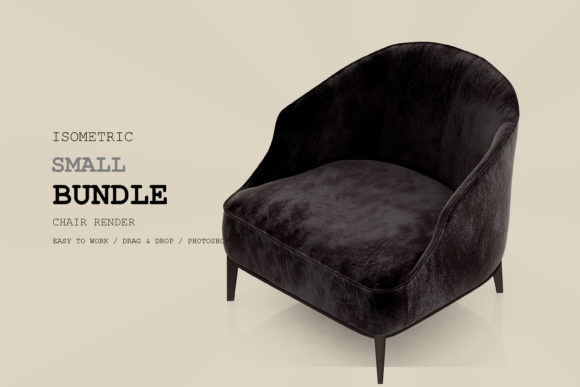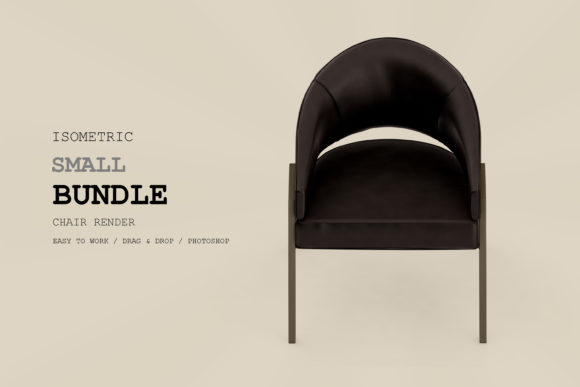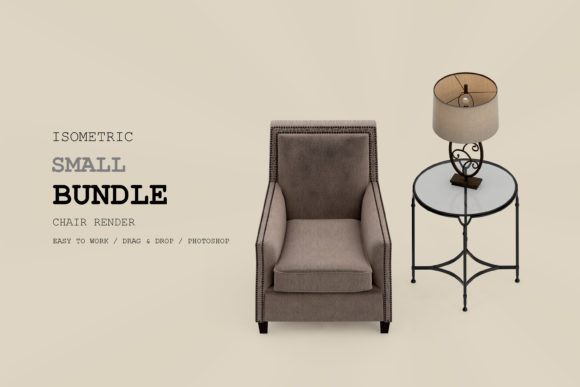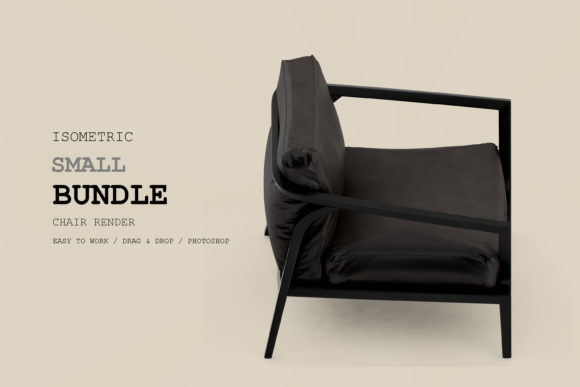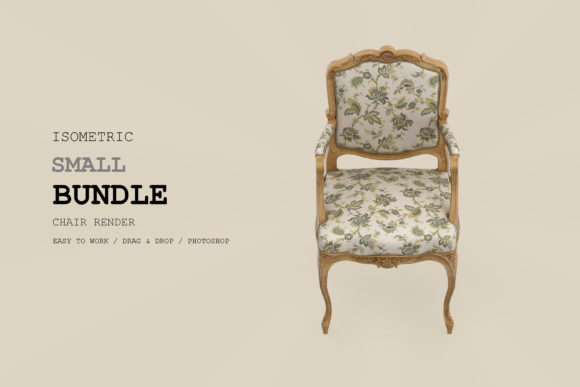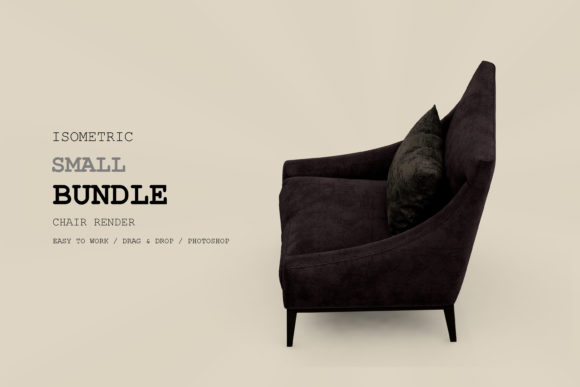
Isometric Armchair 3D Rendering Pack 83
Designing a space, whether it is a cozy corner of a living room or a futuristic lobby, often comes down to the details. One of the most critical elements in interior design visualization is the furniture. It anchors the composition, defines the scale, and sets the mood. However, finding high-quality, ready-to-use assets that fit perfectly into an isometric workflow can be frustratingly time-consuming. This is where Isometric Armchair 3D Rendering Pack 83 steps in as a practical solution for creators who need precision without the hassle of modeling from scratch.
This pack is not just a collection of images; it is a structured resource designed for professionals and hobbyists alike. By providing separated backgrounds, organized layers, and high-resolution outputs, it bridges the gap between simple clip art and complex 3D software files. Whether you are a student working on your final thesis, a marketer designing an ad campaign, or an architect preparing a client presentation, understanding how this specific asset pack fits into your workflow can save hours of work and elevate the quality of your output.
Why Isometric Design Matters Today
Before diving into the specifics of Pack 83, it helps to understand why isometric illustrations have become so dominant in digital media. Unlike traditional perspective drawings that vanish into a horizon line, isometric views maintain parallel lines, giving objects a clear, measurable, and three-dimensional appearance on a two-dimensional screen. This style is incredibly popular in user interface (UI) design, infographics, and architectural visualizations because it feels modern, clean, and easy to interpret at a glance.
An armchair, specifically, is a versatile piece of furniture. It suggests comfort, luxury, or casual relaxation depending on its styling. When rendered in an isometric view with a separated background, it becomes a modular element. You can place it in any environment—a virtual office, a blog header, or a print brochure—without worrying about clipping edges or mismatched lighting. Isometric Armchair 3D Rendering Pack 83 leverages this versatility by providing assets that are ready to drop into almost any design project.
Key Features That Drive Real-World Utility
The value of a 3D rendering pack lies in its technical specifications. For designers, these specs determine how easily the asset integrates into their existing tools. Here is how the core features of Pack 83 translate into practical benefits:
- Separed Background: This is perhaps the most crucial feature. A transparent or cleanly cut-out background allows you to composite the armchair into any scene instantly. You do not need to spend time masking out white pixels or dealing with jagged edges. This separation ensures that the chair looks natural against any backdrop, whether it is a vibrant gradient for a social media post or a realistic floor texture for an architectural plan.
- High Resolution & DPI 300: Low-resolution images look pixelated when printed or zoomed in. With a resolution of 300 DPI, these renderings meet professional print standards. This means you can use them in physical brochures, large-format posters, or magazine layouts without losing clarity. For digital use, the high pixel count ensures they remain crisp on retina displays and mobile screens.
- Organized Layers: If the pack includes layered files (such as PSD or AI formats), having organized layers means you can tweak colors, adjust shadows, or isolate specific parts of the chair. This level of control allows for customization. Need the fabric to be blue instead of red? Organized layers make that possible without needing advanced 3D modeling skills.
- Separed Shadow: Shadows ground an object in its environment. Having a separated shadow layer gives you control over opacity and blur. You can match the shadow intensity to the lighting of your specific project, making the armchair look like it truly belongs in the scene rather than floating above it.
- Help File: Not every designer is an expert in every file format. The inclusion of a help file reduces the learning curve. It provides instructions on how to open, edit, and export the files, ensuring that even users with less technical experience can utilize the pack effectively.
Where Can You Use Isometric Armchair 3D Rendering Pack 83?
The true test of any design asset is its applicability. While some resources are niche, the features of Pack 83 make it suitable for a wide array of industries and personal projects. Here are several realistic scenarios where this pack proves invaluable.
Architecture and Interior Design
Architects and interior designers frequently create isometric floor plans or conceptual mood boards. These visuals help clients understand spatial relationships better than flat blueprints. By inserting a high-quality armchair from Pack 83 into a digital floor plan, a designer can show a client exactly how a seating area might feel. The separated shadow and background allow the designer to position the chair precisely within a room layout, adjusting its angle to fit the flow of traffic. Because the image is 300 DPI, these renderings can also be included in printed proposal documents, adding a touch of professionalism.
Digital Marketing and Social Media
In the fast-paced world of social media, eye-catching visuals are currency. Brands selling home decor, furniture, or lifestyle products need consistent, high-quality imagery. Using Pack 83, a social media manager can create a series of posts featuring the same armchair in different settings—perhaps next to a bookshelf, in a sunlit nook, or paired with a coffee table. The ability to separate the background means the chair can be placed on colorful graphics or brand-colored templates seamlessly. This consistency builds brand recognition and keeps the feed looking polished.
Educational Projects and School Assignments
For students in graphic design, architecture, or marketing courses, creating original assets from scratch can be daunting given tight deadlines. Pack 83 offers a shortcut that still allows for creative expression. A student can focus on the composition, color theory, and overall narrative of their project while using the pre-rendered armchair as a reliable prop. The organized layers provide a learning opportunity as well; students can study how the file is structured to improve their own file management habits.
Web Design and Blogging
Websites need to load quickly but still look sharp. Isometric illustrations are vector-friendly or highly optimized raster images that do not weigh down page speed as much as heavy photographs. A blogger writing about "Cozy Home Office Ideas" can use the armchair from Pack 83 as a featured image. The separated background makes it easy to overlay text or add decorative elements around the chair. Furthermore, the high resolution ensures that the image looks good on both desktop monitors and smartphones, which is essential for reaching a broad audience.
Advertising and Print Collateral
When designing flyers, business cards, or advertisements, every pixel counts. A small, blurry image can undermine the credibility of a business. The 300 DPI specification of Pack 83 ensures that the armchair renders sharply in print. An advertising agency might use this asset in a campaign for a new furniture line or a home renovation service. The separated shadow allows the ad designer to simulate realistic lighting conditions, making the product look inviting and tangible to potential customers.
What to Consider Before Using the Pack
While Isometric Armchair 3D Rendering Pack 83 is a robust tool, successful usage requires a bit of foresight. First, consider the style compatibility. Isometric designs vary widely—from minimalist line art to hyper-realistic textures. Ensure the aesthetic of the armchair matches the tone of your project. A sleek, modern leather chair might not fit a rustic, farmhouse-themed blog post.
Second, think about your software capabilities. If the pack contains layered PSD files, you will need Adobe Photoshop or a compatible alternative. If it includes 3D model files, you may need Blender, SketchUp, or Cinema 4D. Check the system requirements before downloading to ensure your hardware can handle the file sizes, especially if you plan to manipulate the layers extensively.
Finally, review the licensing terms. Even though this is a rendering pack, commercial use rights can vary. If you are using the armchair for a client’s advertisement, ensure the license permits commercial distribution. Most high-quality packs come with clear guidelines, but verifying this protects you from legal issues later on.
Conclusion
Design efficiency is about working smarter, not harder. Isometric Armchair 3D Rendering Pack 83 exemplifies this principle by providing a high-quality, versatile asset that adapts to numerous creative needs. From school projects to professional architectural presentations, the combination of separated backgrounds, high resolution, and organized layers empowers users to focus on creativity rather than technical hurdles. Whether you are building a website, designing a brochure, or simply exploring your passion for interior design, this pack offers a reliable foundation for bringing your visual ideas to life.