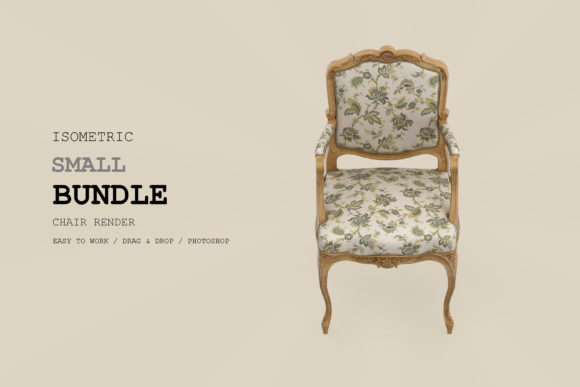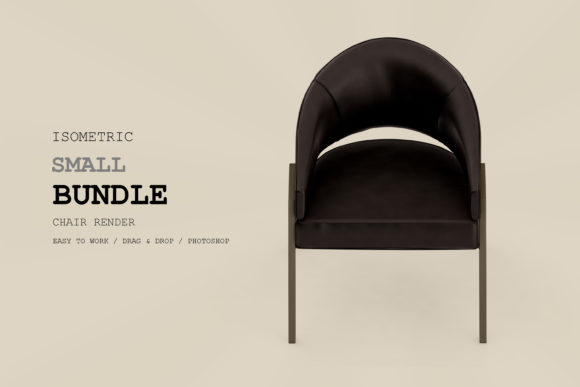
Isometric Armchair 3D Rendering Pack 93
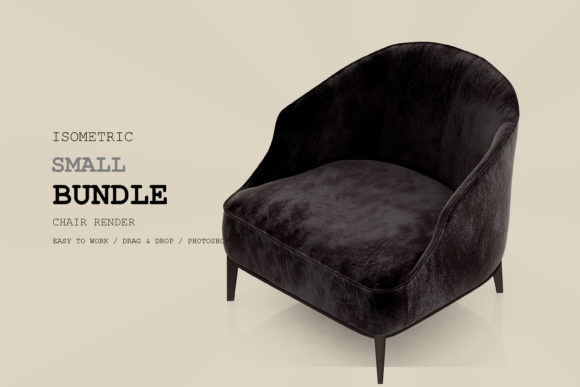
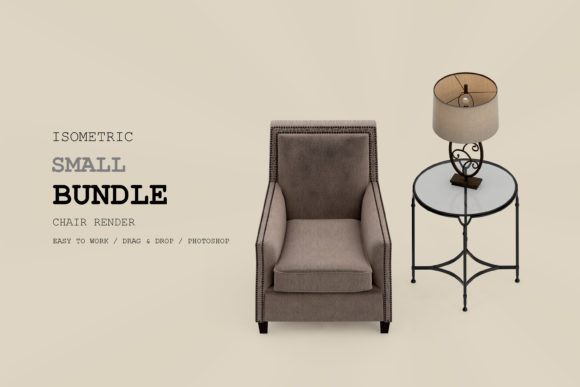
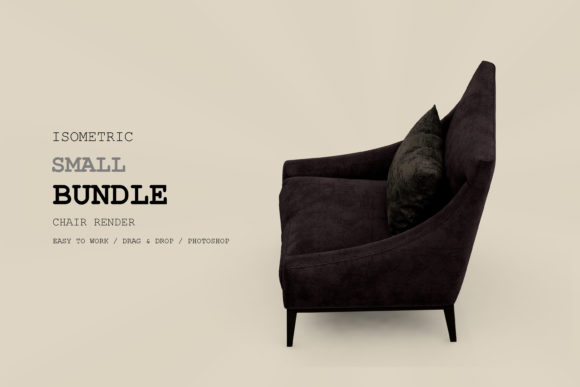
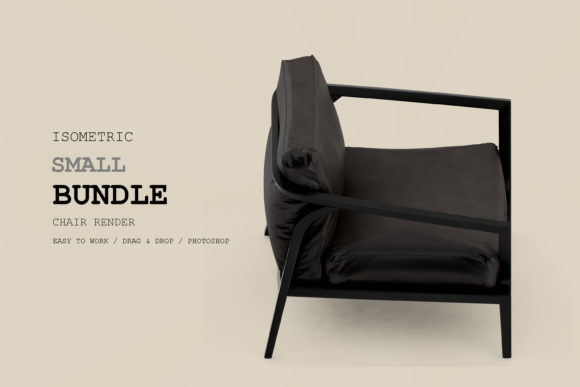
When you are designing a digital space, whether it is an interior architecture visualization or a mobile game asset, the details matter immensely. A single piece of furniture can anchor a room’s aesthetic, but finding the right visual representation often feels like searching for a needle in a haystack. This is where Isometric Armchair 3D Rendering Pack 93 steps in as a practical solution for creators who need high-quality, versatile assets without spending hours modeling from scratch.
This pack is not just a collection of images; it is a structured resource designed to integrate seamlessly into professional workflows. By offering separated backgrounds, organized layers, and high-resolution outputs, it addresses many of the friction points designers face when sourcing third-party 3D assets. However, simply downloading a pack is only half the battle. Understanding its specific features and potential pitfalls is what separates a polished final product from a generic-looking design.
Why Quality and Organization Matter in 3D Assets
Many beginners assume that any image file labeled "3D render" will suffice for their project. They overlook the technical specifications that determine how usable an asset truly is. For instance, a low-resolution image might look fine on a small thumbnail but will appear pixelated and unprofessional when blown up for a billboard or a high-DPI print job. Similarly, a complex PSD file with tangled layers can cause significant delays during the editing process.
Isometric Armchair 3D Rendering Pack 93 mitigates these risks by providing several key technical advantages:
- Separated Background: The armchair is isolated from its environment, allowing you to place it in any context—be it a minimalist white studio, a cozy living room, or a futuristic lobby—without tedious masking work.
- High Resolution & DPI 300: With a resolution of 300 DPI, this pack ensures crisp clarity. This is non-negotiable for print projects, where lower resolutions result in blurry text and jagged edges.
- Organized Layers: The internal structure of the files is logical. You can easily adjust colors, textures, or lighting effects on specific parts of the chair, such as the cushions or the wooden legs, without affecting the rest of the model.
- Separa ted Shadow: Shadows are provided separately. This allows you to control the intensity, angle, and softness of the shadow independently, ensuring the furniture looks grounded and realistic within your specific scene lighting.
- Help File: A dedicated guide is included to help users navigate the files quickly, reducing the learning curve for those new to handling complex layered files.
Common Mistakes When Using Pre-Made 3D Packs
Even with a high-quality asset like Isometric Armchair 3D Rendering Pack 93, users can make errors that degrade the final output. One common mistake is ignoring the aspect ratio and perspective. Isometric projections have strict geometric rules. If you attempt to rotate the asset significantly or combine it with objects rendered in a different perspective (like standard one-point perspective), the illusion of depth will break, making the scene look artificial and disjointed.
Another frequent oversight is neglecting color grading. An armchair rendered with neutral lighting may not match the warm tones of a blog header or the cool blues of a corporate website. Users often paste the asset directly onto their canvas without adjusting the hue or saturation to match the surrounding elements. This creates a "floating" effect, where the furniture looks like a sticker rather than part of the environment.
To avoid these issues, always compare the lighting direction of your background with the light source implied by the separated shadow in the pack. If your background has sunlight coming from the left, ensure the shadow in the pack aligns with that direction. If it does not, use the separate shadow layer to flip or rotate it to match. Additionally, apply global color adjustments to the entire composition after placing the armchair to unify the visual tone.
Where Can You Apply This Resource?
The versatility of Isometric Armchair 3D Rendering Pack 93 makes it suitable for a wide array of applications. Because it is vector-friendly in its layer structure and high-resolution in its output, it adapts well to both digital and physical media.
Architecture and Interior Design
Architects and interior designers often need to present concepts quickly. Instead of waiting for a full 3D model to render, they can drop this isometric armchair into a floor plan or a mockup view. The separated background feature is particularly useful here, allowing designers to overlay the furniture onto existing blueprints or photos of empty rooms to visualize potential layouts.
Social Media and Digital Marketing
For marketers and social media managers, engagement relies on visual appeal. High-quality, clean graphics perform better on platforms like Instagram and Pinterest. The 300 DPI resolution ensures that even when shared on high-density screens, the details of the fabric and wood grain remain sharp. You can create eye-catching posts showcasing home decor trends, using the organized layers to swap out chair colors to match seasonal themes.
Print Projects and Advertising
When creating brochures, catalogs, or magazine ads, print quality is paramount. Many web-only assets fail in print because they are saved at 72 DPI. Isometric Armchair 3D Rendering Pack 93 meets the 300 DPI standard required for professional printing. Advertisers can use the isolated chair to create composite images for e-commerce listings, ensuring the product stands out against clean, branded backgrounds.
Educational and Blog Content
Educators and bloggers can use these assets to illustrate articles about ergonomics, design history, or home office setups. The help file included in the pack makes it easy for non-designers to understand how to edit the basic properties of the image, empowering them to create custom visuals without needing advanced software skills.
What to Check Before You Start
Before integrating Isometric Armchair 3D Rendering Pack 93 into your workflow, take a moment to verify your software compatibility. Ensure your image editing program supports the file formats provided (typically PSD or TIFF for layered files). If you are working with limited storage, remember that high-resolution files can be large; having ample disk space will prevent crashes during heavy editing sessions.
Furthermore, review the license agreement associated with the pack. While many assets allow for commercial use, some may restrict resale or require attribution. Understanding these terms protects you legally and ethically. Finally, experiment with the separated shadow layer early in your process. Testing how the shadow interacts with your chosen background helps you decide whether to keep it, soften it, or remove it entirely for a more floating, modern aesthetic.
By paying attention to these details, you transform a simple download into a powerful tool. Isometric Armchair 3D Rendering Pack 93 offers the foundation for professional-grade designs, but it is your careful application of its features that will bring your creative vision to life. Whether you are building a portfolio, launching a product line, or teaching a class, this pack provides the reliability and quality needed to succeed.